What 14 Million Views on Pexels Taught Me (Real Numbers From 470 Uploads)
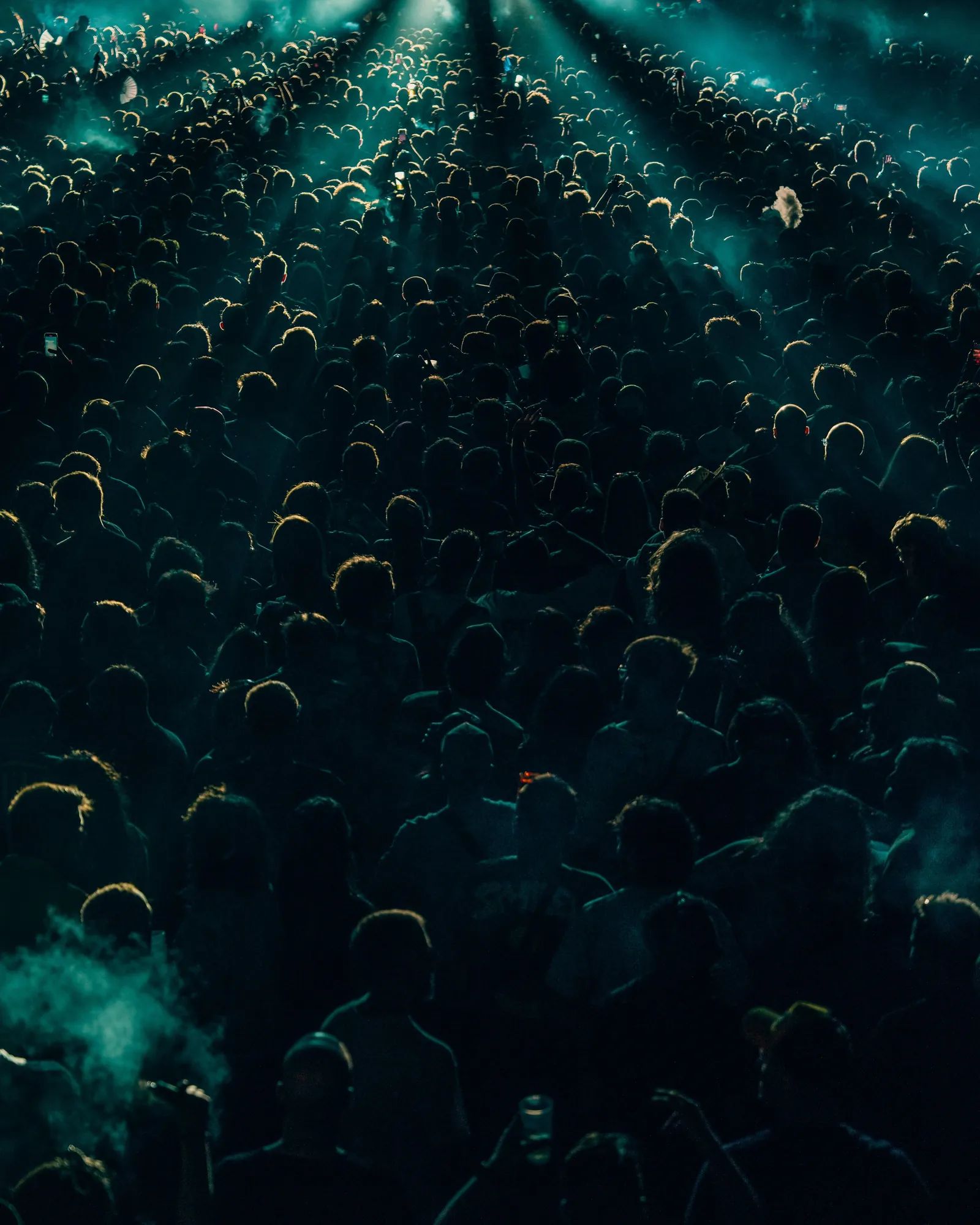
I started using Pexels before I even owned a camera. Today my profile there has 14,269,111 views, around 56,300 downloads and 470 uploads. My photos have ended up on ABC in Australia, El Mundo in Spain and Bored Panda, and Pexels asked me to host a photographer meetup in my city.
This is the honest version of how that happened: what I upload, what the numbers actually say, what free photography has (and hasn't) given back, and whether I'd recommend it to you.
It started with other people's photos
Before I had a camera, I was obsessed with editorial photography and retouching. I wanted to work for a magazine one day, but I didn't have a professional camera or studio lighting, so I had nothing to practice on.
Pexels solved that. I downloaded unedited, high-quality photos from other photographers and used them to practice editing in Lightroom and Photoshop. Those edits became the first things I could show in a portfolio.
I grew genuinely fond of the platform because of that. And I made myself a promise: when I had my own camera, I'd upload my photos too, so people in the same situation I was in could use them.
What I upload, and my whole "strategy"
After a lot of trial and error with different kinds of photography, I settled on uploading what I actually live: my daily life, my travels, and my work as a concert photographer. Street markets in Bangkok sit right next to festival crowds.
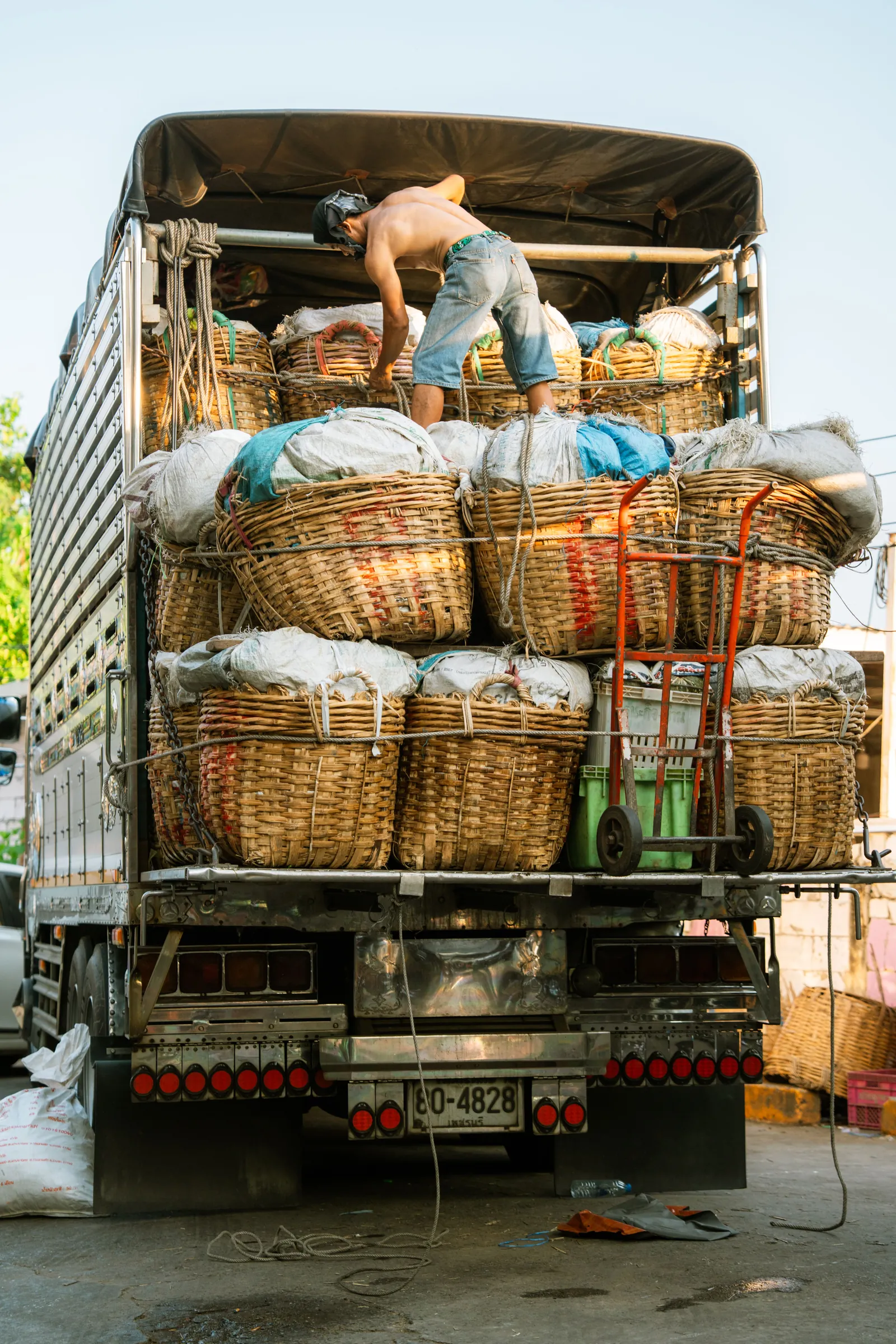
My workflow is almost boringly simple:
- I shoot, mostly with my camera, and often with my iPhone 17 Pro as a complement.
- I edit in Lightroom.
- I upload to Pexels. Pexels handles the tags and decides where the photos show up.
That's it. I don't research keywords or tag the photos myself, which makes the numbers below more interesting: they show what people actually want.
What the numbers say: my top 8 uploads
These are my most-viewed uploads, straight from my public Pexels stats page. The download rate is downloads divided by views.
| Upload | Type | Views | Downloads | Rate |
|---|---|---|---|---|
| Nightlife crowd at an outdoor event | Video | 1M | 5.4K | 0.54% |
| Woman walking in an alley at night | Video | 968.9K | 4.4K | 0.45% |
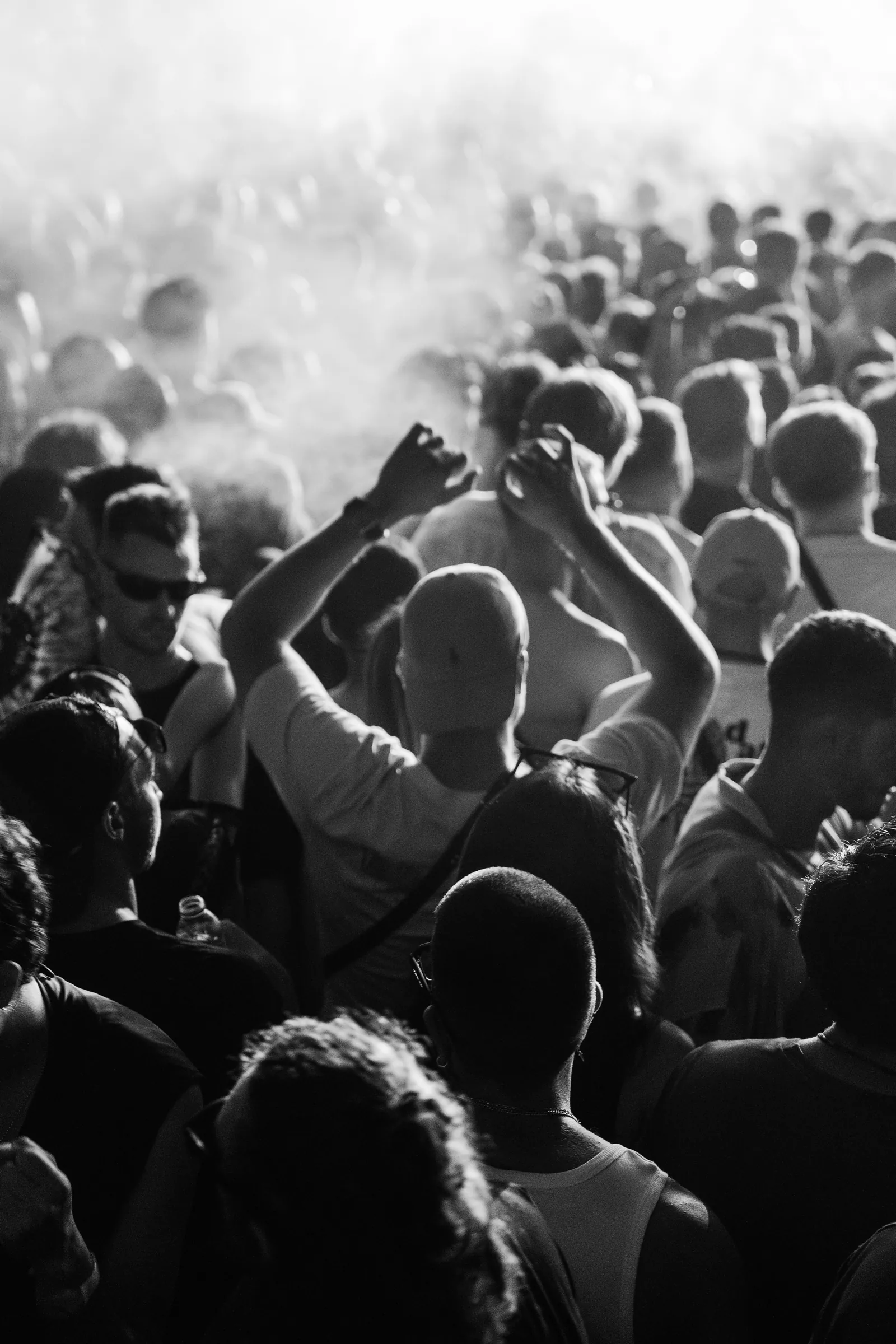
| Woman with a camera by a graffiti fence | Photo | 490.6K | 333 | 0.07% |
| Crowd at a concert at night | Photo | 426.5K | 2.8K | 0.66% |
| Nightlife at a karaoke club | Video | 412.6K | 430 | 0.10% |
| Neon karaoke night | Video | 404K | 338 | 0.08% |
| Night scene, young woman smoking | Video | 336.5K | 607 | 0.18% |
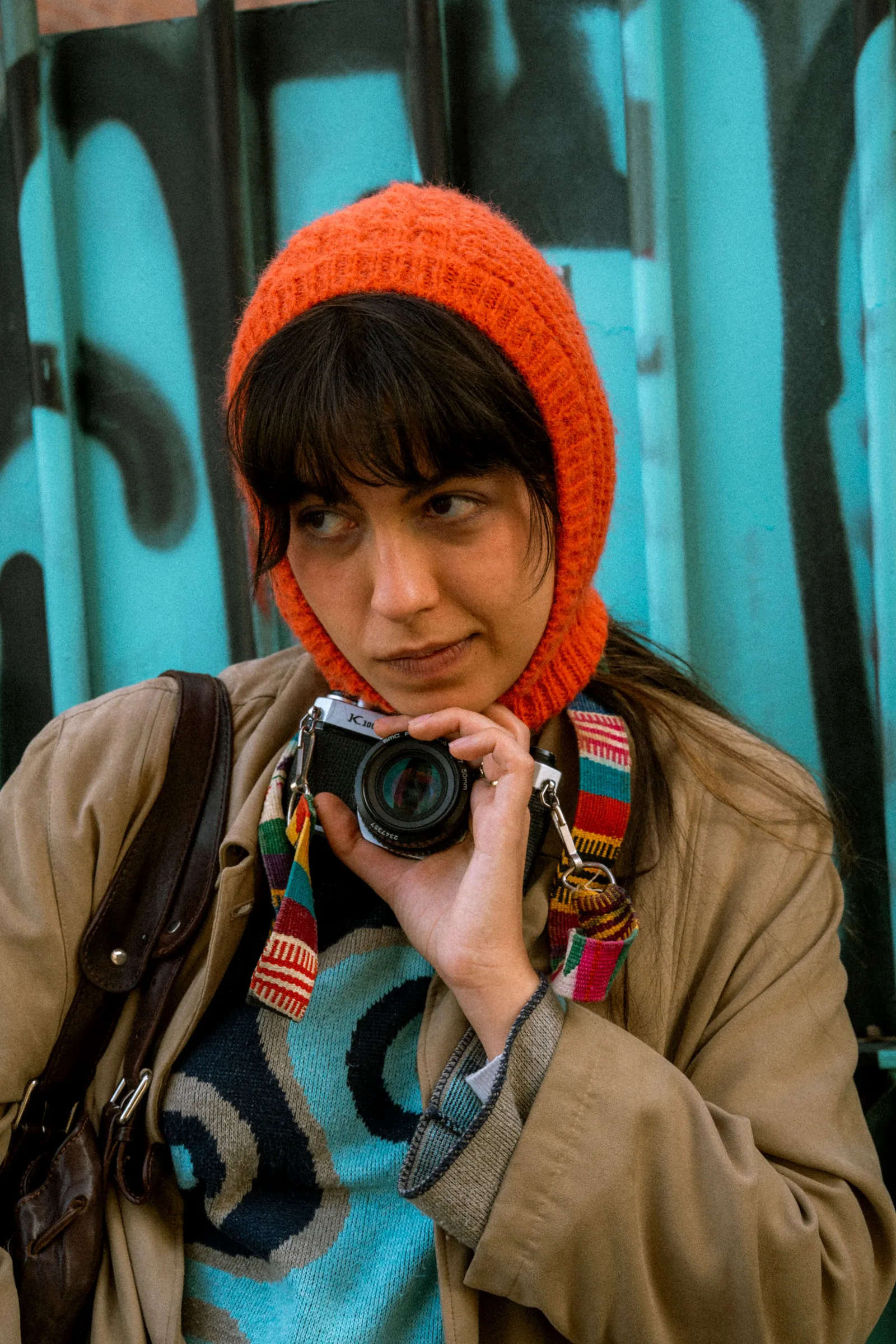
| Festival crowd in black and white | Photo | 328.3K | 955 | 0.29% |
Four lessons jump out.
1. Video punches far above its weight
Five of my eight most-viewed uploads are videos. My two biggest videos also convert well: around 0.5% of views become downloads. If you only upload photos to Pexels, you're probably leaving most of your reach on the table.
2. Night, nightlife and crowds are what people use
Seven of the eight are night scenes or crowds. My best-converting photo is a concert crowd in the dark, which people downloaded about 2,800 times. Websites need images of events, energy and people having a good time, and very few photographers give those away for free.
3. Views and downloads are two different games
The portrait of a woman holding a camera next to a graffiti fence is my most-viewed photo, with almost half a million views. But only 333 people downloaded it: 0.07%, almost ten times less than the concert crowd.
My reading: a striking portrait gets attention when people scroll, but a crowd, a texture or a scene is easier to drop into an article, a slide or a website. If you want your work to be used (and credited), shoot things other people can build on.
4. It keeps compounding
The work doesn't stop when you stop uploading. In the most recent period shown in my stats, my profile collected around 549,000 views and 3,600 downloads. My ten newest uploads account for only about 63,000 of those views, so most of that traffic is coming from older work that keeps being found and used.
Where my photos ended up
This is the part I never expected. My photos started appearing on websites, big blogs and magazines: ABC (Australia), El Mundo, Xataka, Bored Panda, Canva, IDN Times and many more. Pexels even lists some of them on my profile.
And the people who use them usually credit you. Over time, having your name under photos on thousands of pages builds credibility. In my experience, it also helps search engines start associating your name with photography and recommending you.
At first it feels strange to see big multinational companies using your photos for free. But that's only the surface. What really matters is that your photos are seen.
Can you make money from Pexels?
Not directly, at least not in the way people imagine. Pexels doesn't pay you per download. Here is what it has given me instead:
- Donations from people who were grateful to be able to use my photos.
- Emails with job offers and collaborations from people who found my work there.
- Challenges: I've entered five and been shortlisted three times, and six of my uploads have been featured on the Pexels homepage.
- Community: Pexels invited me to organize a photographer meetup in Bilbao. I hosted it, and it brought me new contacts and photography friends.
- A portfolio that keeps growing: you get used to seeing your photos on magazine covers, articles and websites, and every one of them is something you can point to.
Should you upload your photos to Pexels?
If you're trying to get your name out there, my answer is yes, as long as you treat it as visibility, not income. Based on my numbers, this is what I'd do if I were starting today:
- Upload what you really shoot. My daily life, travels and concerts outperformed everything I tried to plan.
- Add video. It's where most of my reach comes from.
- Think about who will use the image. Scenes, crowds and atmosphere get downloaded far more than striking portraits.
- Use the same name everywhere, so every credit points back to you, and link your Pexels profile to your portfolio.
- Say yes to the community. Challenges and meetups are where the platform turns into real contacts.
Pexels gave me material to learn with when I couldn't afford a camera. Giving back turned out to be one of the best things I've done for my photography. You just have to know how to make the most of it.
You can browse everything I've uploaded on my Pexels profile, and read more about me and my concert work.