How to Get a Photo Pass for Concerts and Festivals (What Actually Works)
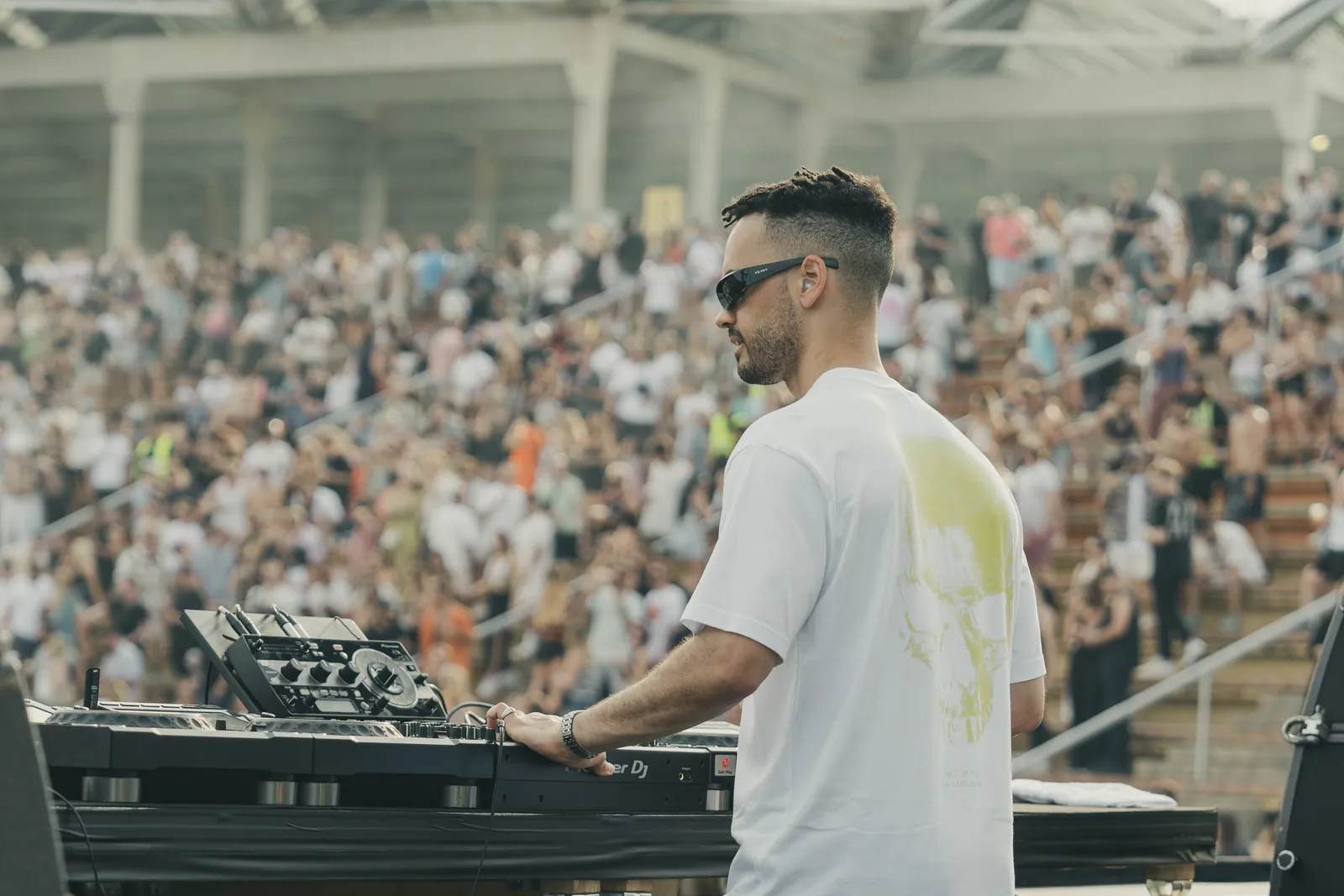
A photo pass gets you into the photo pit, the strip between the stage and the barrier, usually for the first three songs. It's the difference between shooting over a sea of phones and shooting the artist from a few feet away. And the question I get most after "what settings do you use?" is always: how do you get one?
There's no secret list. A photo pass is a deal: the artist or the festival gives you access, and in return they expect photos that people will actually see. Everything in this guide comes back to that. If you understand what the other side gets out of it, you'll know what to send, who to send it to, and why some requests never get an answer.
Who actually decides
It's rarely the band and almost never the venue staff. Depending on the size of the show, the person who says yes is:
- The artist's publicist or PR agency for most touring acts.
- The manager for smaller artists without a publicist.
- The promoter in some cases. Big promoters sometimes want every request to go through them.
- The festival's press office for festivals, almost always through a formal application form.
To find them, check the artist's website and social profiles for a press or PR contact, look at the tour poster to see who's promoting the show, or search the artist's name with "publicist", "press contact" or "press release". For festivals, look for a Press, Media or Accreditation page on the official website.
One rule: with big acts, don't message the band members directly. It goes around the people who actually handle access, and it doesn't help.
Why the outlet matters so much
From the publicist's side, a pass is a promotional tool. They have a limited number of spots in the pit and they'll give them to whoever guarantees the most visibility. That's why most working concert photographers will tell you the same thing: the strongest request comes with a publication behind it, a magazine, a newspaper, a music website, ideally with an editor who assigns you the show.
If you don't have one, start local. Local music blogs, city magazines and small online publications are much more open to new photographers than national titles, and they need people to cover shows. The usual arrangement is simple: you cover the gig for them, they request the pass, and they credit you when the photos run.
If all you can offer is "I'll post it on my Instagram", be honest with yourself: for a big tour, that's almost never enough.
Email, not DMs
This is the biggest lesson I've learned. Email is the tool that opens doors, not social media. A DM can work if you already have a big, verified audience, because the profile itself gives you credibility. When you're starting out, a message from a small account does the opposite: it looks informal and it's easy to ignore.
The two things that do the work are a professional email and a portfolio. Few requests, carefully written, beat dozens of copy-paste messages.
The email I sent when I had no portfolio
Everyone has to get the first pass without the photos that would get them a pass. When I started, I didn't pretend to be anything I wasn't. I wrote to small events the way you'd write to someone you know from your town: honest and direct. This is the message I used:
Hi [name], I'm starting out in event photography and I'd love to come to [event] with my camera to build my portfolio. Can I come in directly, or do I need a special accreditation? All the photos I take will be available for you to use.
That's it. No fake publication, no inflated numbers. Honesty and a human tone are valued more and more, and the intention comes across. It works best with local events, smaller festivals and new promoters, the places that don't have a photographer for everything and are happy to get the coverage.
Never request a pass under false pretenses, like claiming an assignment you don't have. The circuit is small, publicists talk, and it's the fastest way to end up on a list you don't want to be on.
The email when you shoot for an outlet
Once you're covering shows for a publication, the request becomes more standard. Ideally your editor sends it, or you send it with your editor copied. Publicists want three things at a glance: who you're shooting for, which show, and who you are.
Subject: [Artist] photo pass request – [Date], [City], [Venue]
Hi [name], I'm [your name], a photographer with [publication]. We'd like to cover [artist]'s show at [venue] in [city] on [date], with a live review and photos. I'm requesting a photo pass for the first three songs, under the usual pit rules. My editor, [name], is copied on this email. Here's some of my recent live work: [link]. Thanks for considering it.
Send it about two weeks before the show. Some publicists prefer one week out, and confirmations often arrive just a few days before, sometimes on the day itself. Don't take silence personally: publicists get a lot of these.
Festivals are a different game
Festivals have their own process: an online accreditation form, a deadline, and usually stricter criteria. The big ones want a real commission. Glastonbury's press page, for example, only considers national newspapers, wire services and established music publications or websites, won't review photographers without a commission, and doesn't accredit students or social media influencers.
Two things work in your favor:
- Apply early. Accreditation usually opens months before the festival and closes well before it starts.
- Think beyond the headliners. Smaller and newer festivals are much more open, and they're where most of us start.
If you're shooting in Spain, that's partly why I built PressPass, a directory of press contacts for festivals, venues and booking agencies in the Spanish-speaking music industry.
Secondary stages: my favorite move
At a festival, everyone fights for the pit at the headliner. Meanwhile, on a secondary stage, there's an artist who might be small here but huge in their own country, and I'm often the only photographer there. The photos are cleaner because nobody is in my way, sometimes it leads to a mention or a collaboration with the artist, and I get exclusive work for my portfolio that nobody else has.
Once you're in: cover the whole event
A photo pass is an investment from the organizer. The way to get the next one is to give them more than they expected. I split my coverage into blocks:
- Atmosphere. Portraits, people smiling, dancing, enjoying themselves. This is what shows the vibe of the festival.
- The crowd. Wide shots of the audience. I compose them so the place looks full, avoid empty gaps, and shoot from several angles.
- The stage. The artists, and above all the interaction between artist and crowd.
- Brands and surroundings. Bars, food trucks, signs, sponsors. Even when nobody asks for them, they're useful to the festival, and in your portfolio they prove you can cover an entire event.
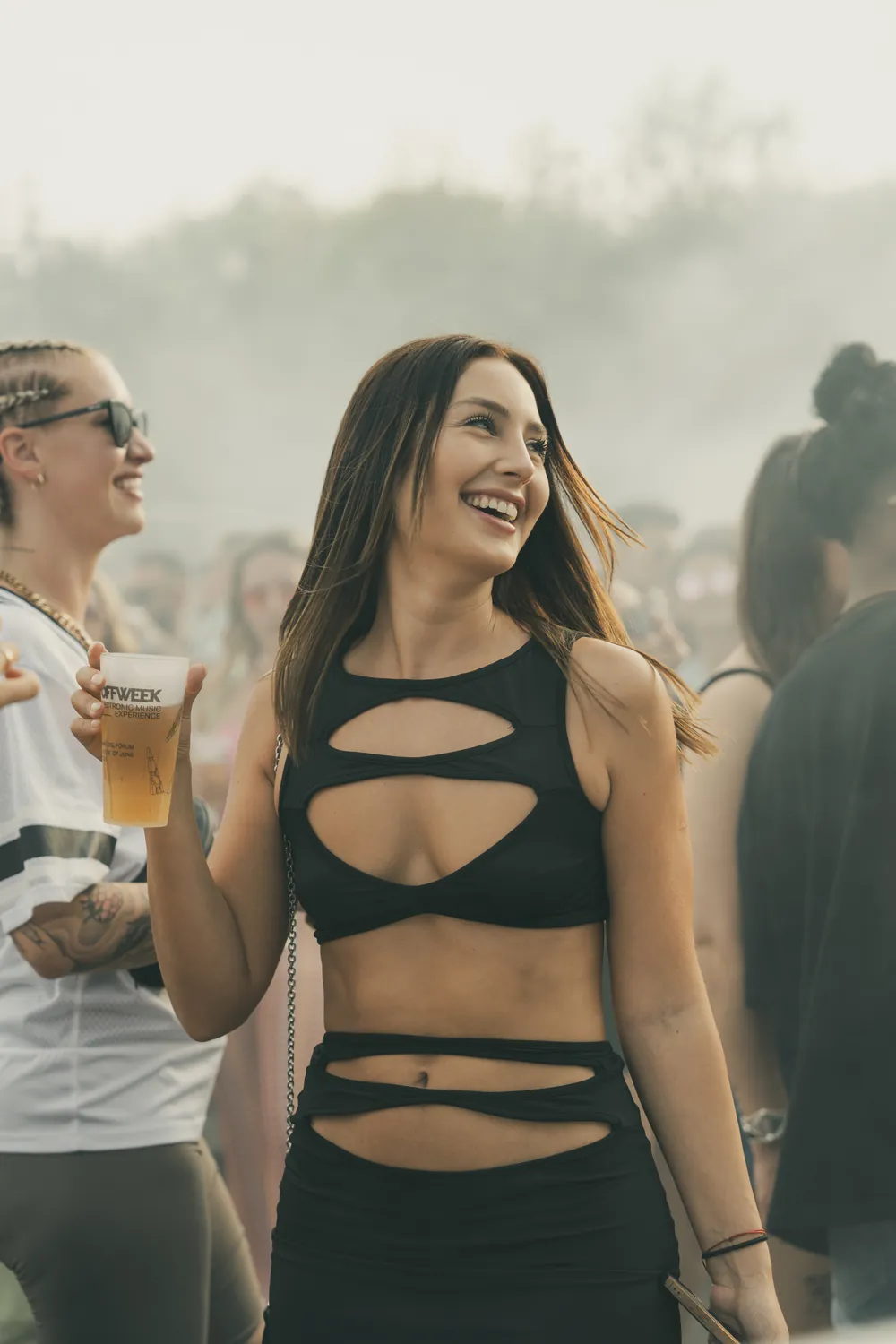
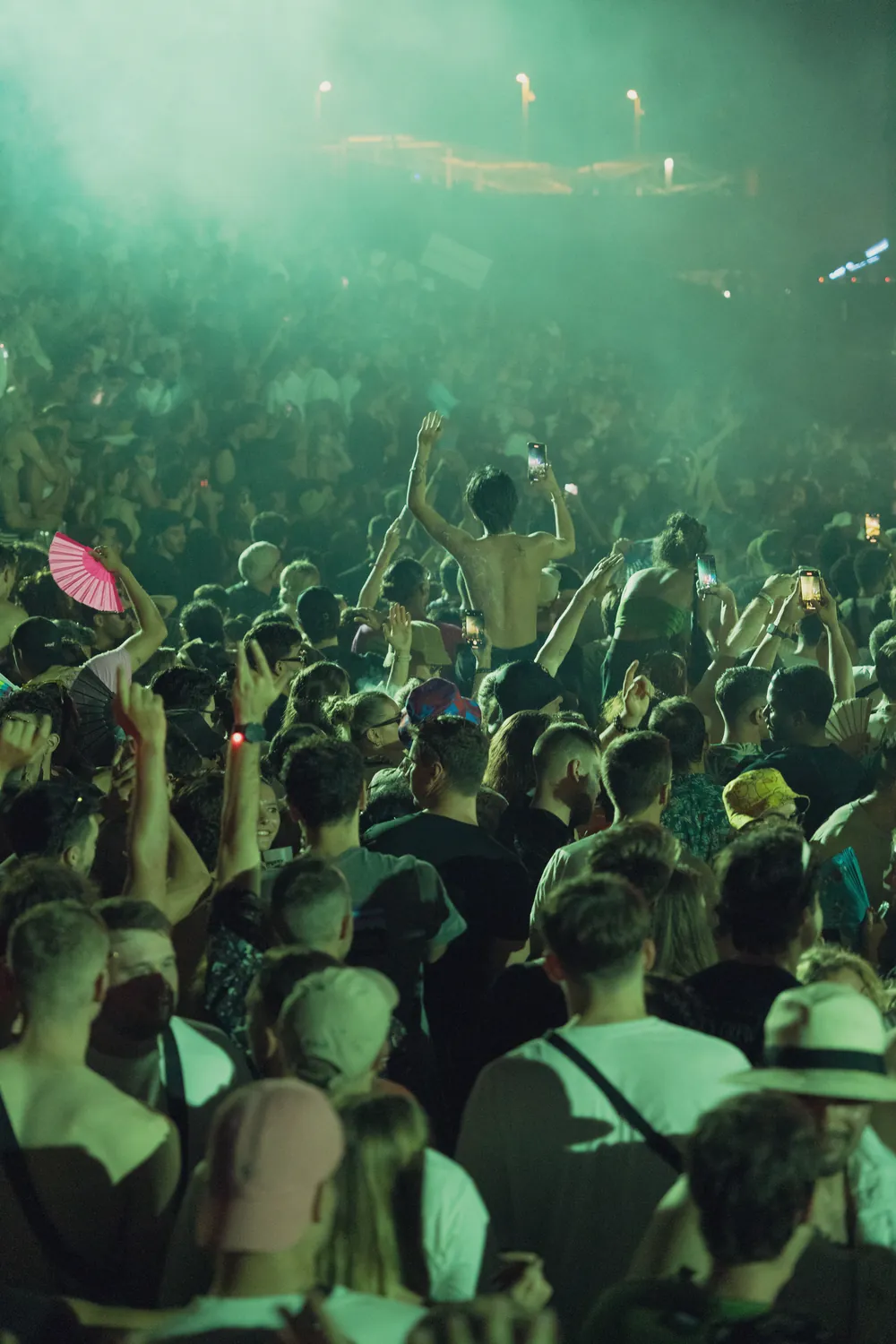
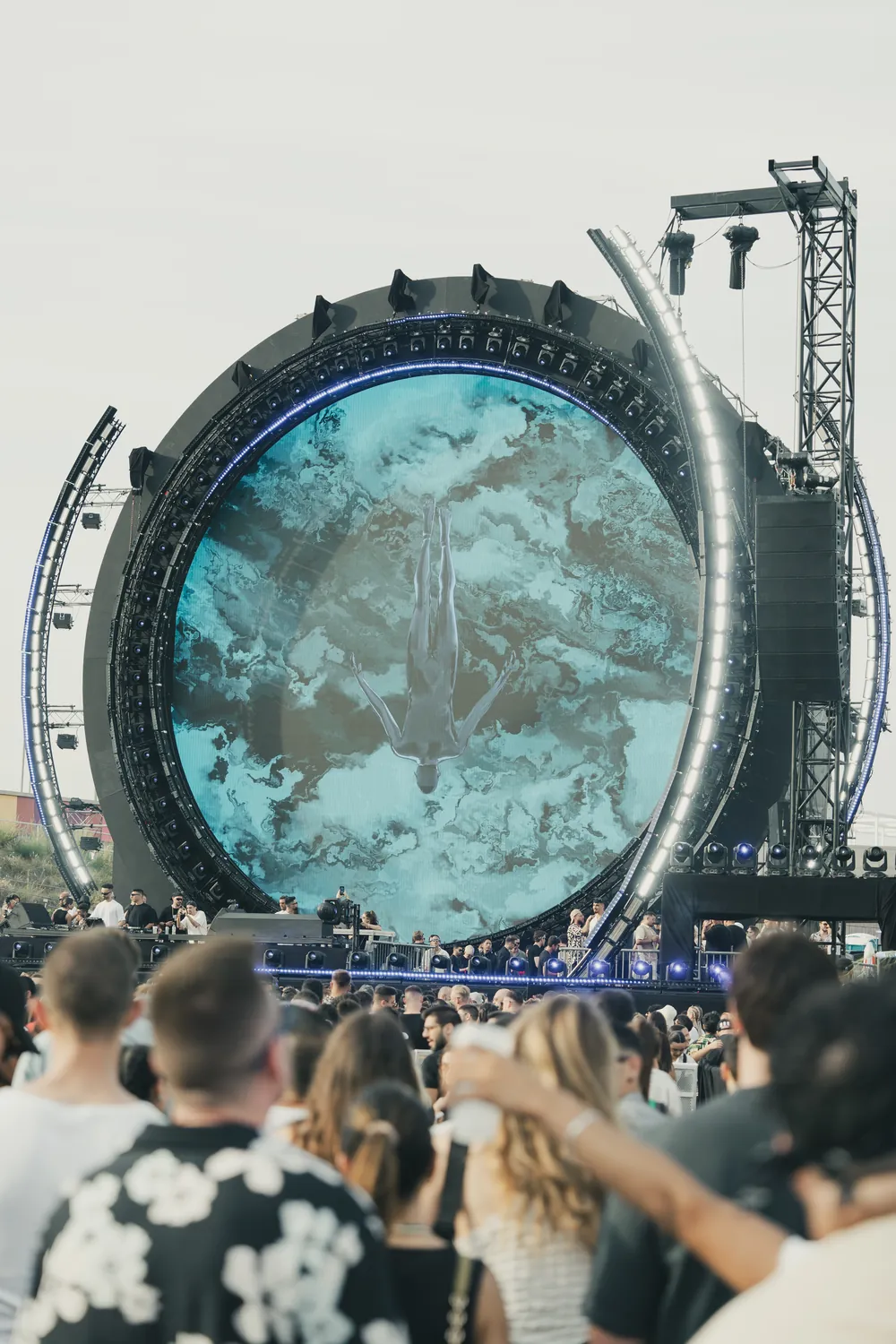
My golden rule: shoot more, never less. Deleting what you don't need takes a minute. Going back to photograph what you missed is impossible.
For the technical side of the pit, read my concert photography settings, including the pit rules and how to protect your camera from lasers.
Read the contract before you sign
Some artists ask photographers to sign a photo release before they get their pass, sometimes sent in advance, sometimes handed to you at the door. Most are reasonable: where you can publish, for how long. But some are what photographers call a rights grab. Watch for clauses that:
- Transfer your copyright to the artist or treat your photos as "work made for hire".
- Limit you to a single use and block you from using the photos in your own portfolio.
- Ask you to waive your right to be credited, or to hand over all your files for the artist's free commercial use.
These aren't hypothetical. In 2019, the US National Press Photographers Association (NPPA) advised its members not to sign the contract for Ariana Grande's tour, which treated every photo as work made for hire. If you're shooting for a publication, show the form to your editor before signing. If the terms are unacceptable, sometimes the only option is to walk away from that show. (This isn't legal advice; when in doubt, ask a lawyer.)
After the show: how you get invited back
- Deliver what you promised, and fast. If you offered the photos to the organizer, send them while the event is still fresh.
- Ask what they need. While you're there, ask the organizers what's still missing or what they'll be posting on social media. It sets you apart, and it often gets you better access and more material.
- Be good to everyone. Not just the organizers: the technicians, the bar staff, security. The circuit is small, the same faces keep coming back, and today's technician or bartender can be tomorrow's boss or artist.
Networking isn't a separate task. It happens while you work, if you're proactive, talk to people and actually listen.
Quick answers
Can I get a photo pass without working for a publication?
For big tours and major festivals, it's very hard. For local shows, small festivals and new promoters, yes: an honest email, offering them the photos, is how I started.
How far in advance should I ask for a photo pass?
About two weeks before a concert. For festivals, much earlier: accreditation usually opens months ahead and has a fixed deadline.
Does a photo pass include a ticket?
Not always. Sometimes the pass comes with a ticket, sometimes you're only allowed in to shoot the first songs and then you have to leave. Ask when your pass is confirmed.
Do photo passes pay?
No. A pass gives you access, not money. Payment, if there is any, comes from the publication, the festival or the client who hires you.
Got your first pass? Start with my concert photography settings, and read what 14 million views on Pexels taught me about getting your live photos seen afterwards.